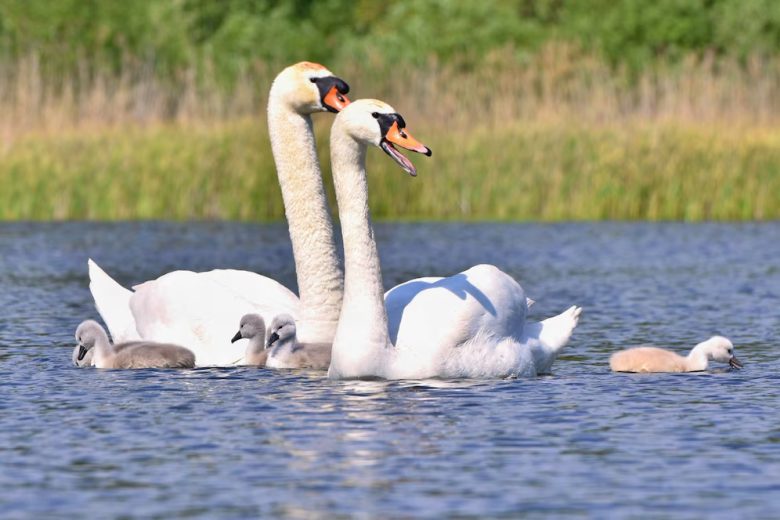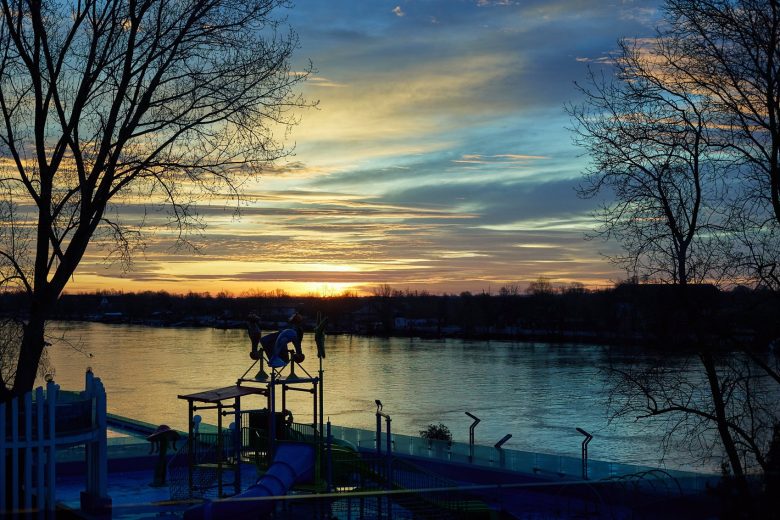

Birdwatching in the Danube Delta is one of the most authentic experiences you can have in nature. It’s not just about observing birds, but about silence, unforgettable sunrises, and those moments when you truly feel part of a vibrant, spectacular ecosystem.
If you are planning a vacation in the Danube Delta and want to discover this hobby without feeling overwhelmed, the guide below offers exactly the starting point you need.
What birdwatching in the Danube Delta means
Birdwatching, or bird observation, involves identifying and tracking species in their natural habitat. The Danube Delta is considered one of the most important areas in Europe for this type of activity.
Over 300 bird species in the Danube Delta can be found here, including some rare or protected ones:
- the great white pelican and Dalmatian pelican
- egrets and herons
- cormorants
- spoonbills
- various species of birds of prey
The Delta is part of the UNESCO World Heritage and represents a major point along the migration routes of birds from Europe and Asia.
Why you should try this experience
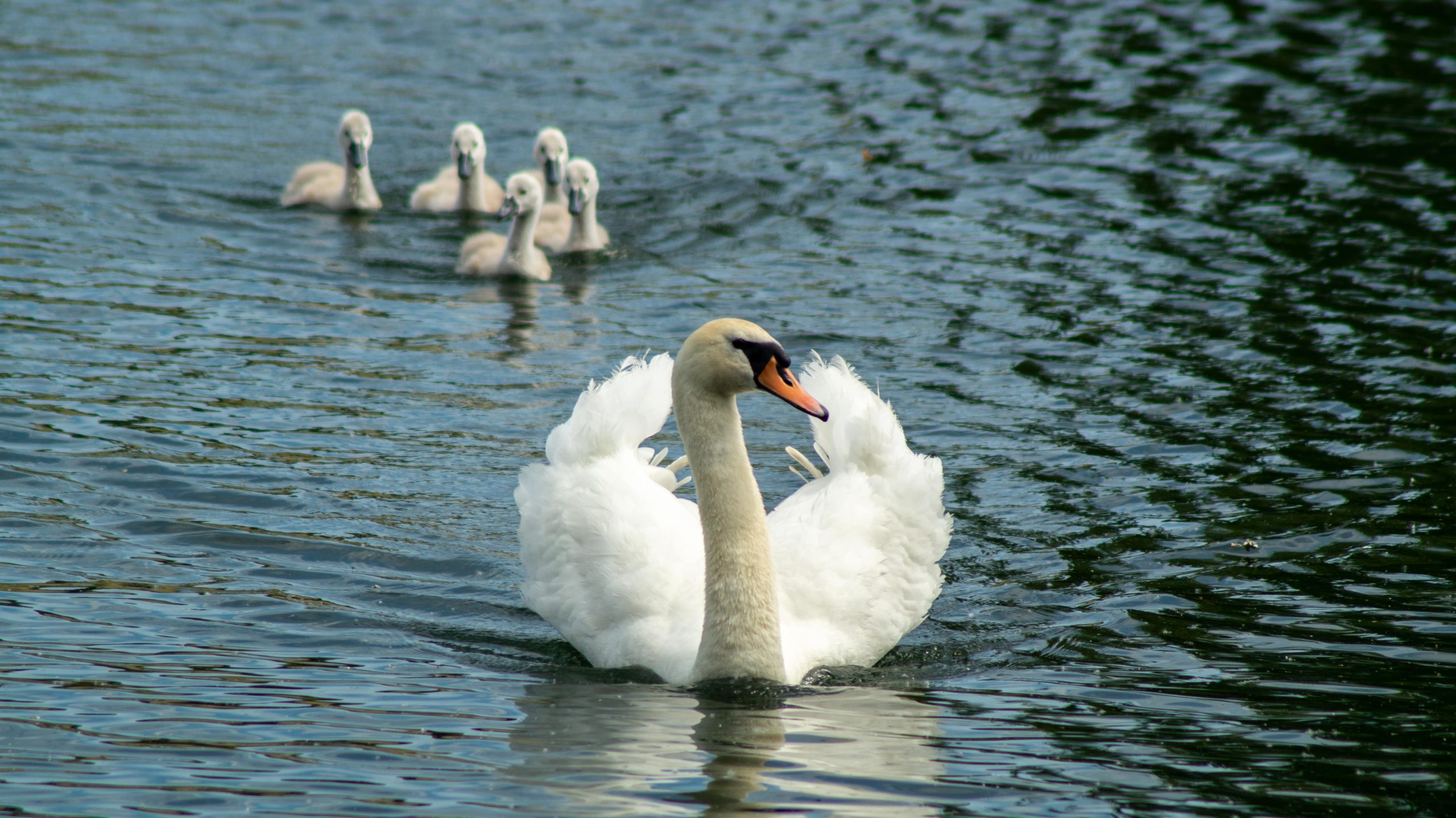
For a beginner, birdwatching may seem complicated. In reality, it is one of the most relaxing and accessible hobbies.
The benefits are real:
- you train your focus and patience
- you connect deeply with nature
- you reduce daily stress and agitation
- you discover places inaccessible to regular tourists
In the Danube Delta, the experience is amplified by unique landscapes – narrow channels, calm lakes, and wild vegetation.
When is the best time for birdwatching
The ideal period depends on what you want to see, but there are some clear guidelines:
Spring (March – May)
This is the migration and nesting season. You will notice:
- many active species
- spectacular mating behaviors
- bird colonies forming
Summer (June – August)
Perfect for:
- spectacular photography
- observing chicks
- relaxing boat rides on channels
Autumn (September – November)
Another excellent migration season. Birds prepare to leave, and activity becomes intense.
What equipment you need as a beginner
You don’t need major investments to get started, but a few essentials are important:
- a mid-range binocular (8×42 or 10×42)
- clothing in neutral colors (green, beige, brown)
- a hat or cap for sun protection
- comfortable footwear
- a simple bird identification guide
Optional:
- a zoom camera
- mobile apps for bird identification
Important: avoid bright colors and sudden movements.
Basic rules for bird observation
To have an authentic and responsible experience, keep a few simple rules in mind:
- do not get too close to nests
- keep quiet
- do not feed the birds
- do not alter the natural habitat
- follow local guides and recommended routes
Birdwatching means observing, not interfering.
Best areas for birdwatching in the Danube Delta
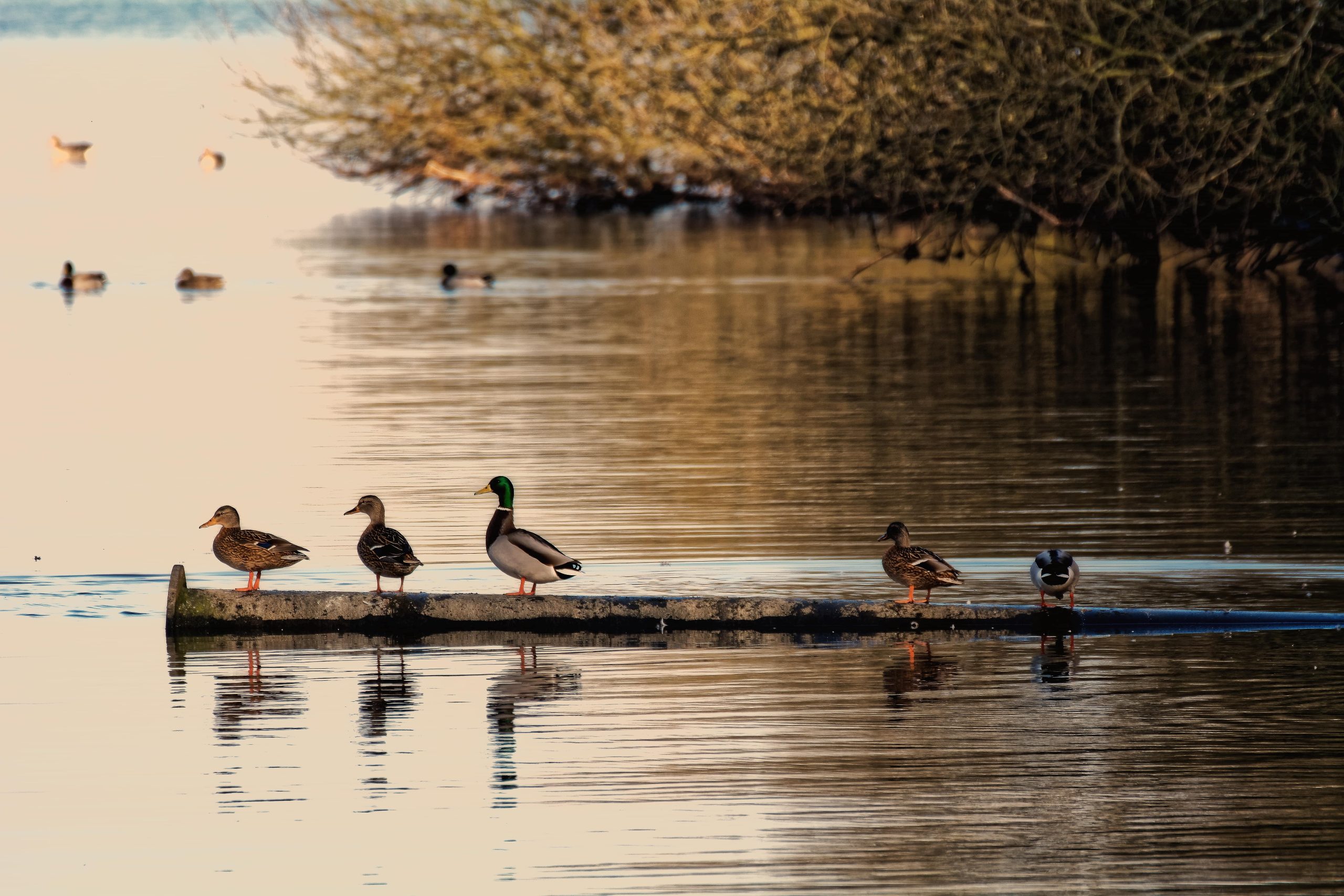
The Delta is vast, but a few areas are ideal for beginners:
Lakes and quiet channels
Calm waters attract:
- pelicans
- egrets
- herons
Letea and Caraorman forests
Here you can observe:
- birds of prey
- rare species
- unique ecosystems
Reed bed areas
Perfect for:
- small birds
- hidden species
- interesting sounds and behaviors
- If you choose well-positioned accommodation in the Danube Delta, you can access these areas quickly without complicated travel.
How to choose the right accommodation for birdwatching
Your experience depends greatly on where you stay. Not every type of accommodation is suitable for this kind of activity.
What matters:
- direct access to channels and lakes
- local guides or organized excursions
- quiet surroundings (away from crowded areas)
- flexible schedule for sunrise departures
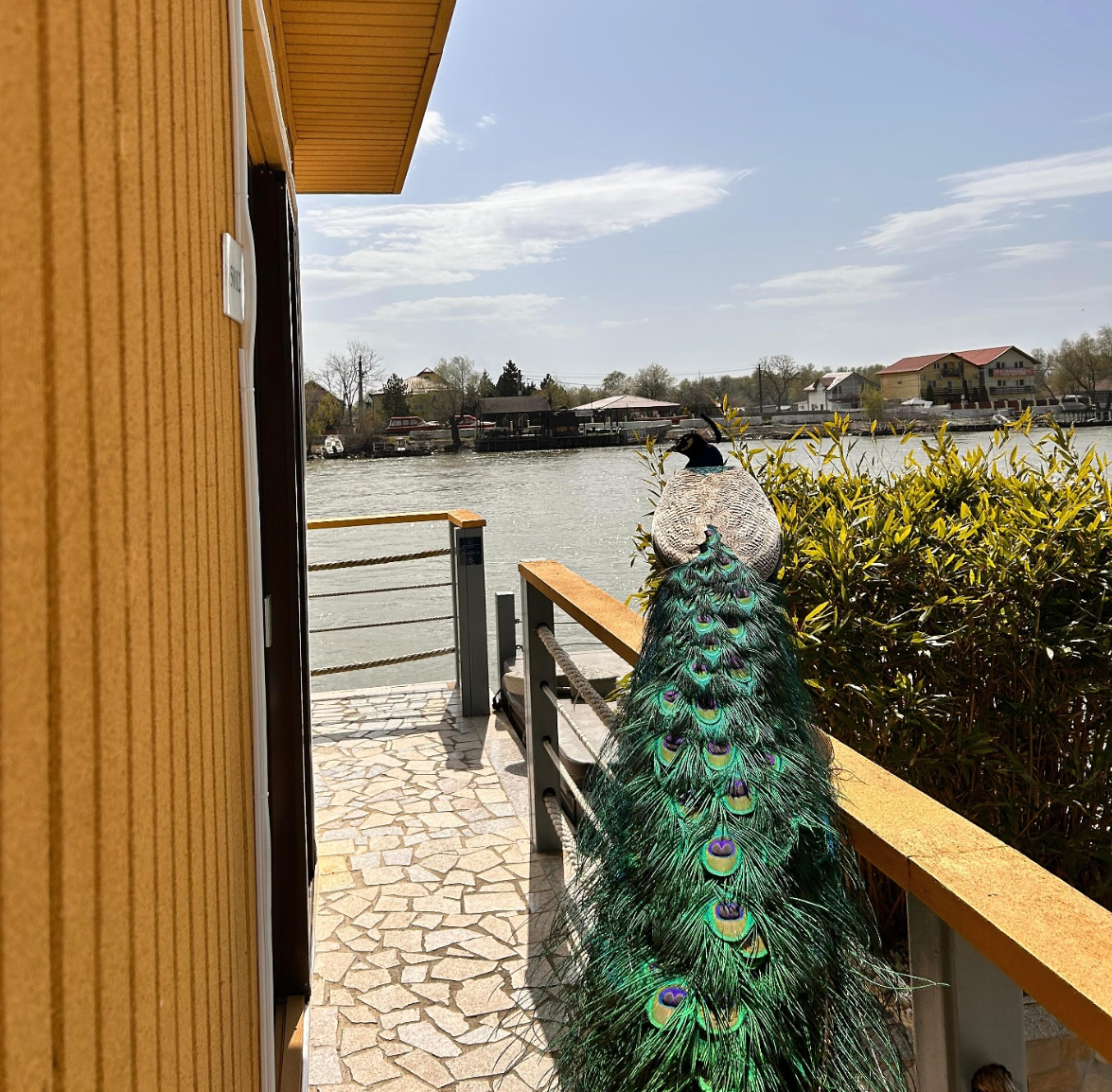
A great choice is Lebăda Luxury Resort & SPA, where you get the perfect combination of premium comfort and direct access to the natural ecosystem. It is the kind of accommodation in the Danube Delta close to nature that allows you to step out of your room and already be in the middle of an ideal setting for birdwatching.
From here, you can leave early in the morning for dedicated tours, efficiently organized and without logistical stress. In practice, you save time and maximize every moment spent in the Delta – exactly what matters when you want to observe birds in their natural habitat.
Common mistakes to avoid
As a beginner, it is normal to make small mistakes. The important thing is to be aware of them:
- unrealistic expectations (you won’t see everything in one day)
- lack of patience
- inappropriate equipment
- random trips without a guide
- ignoring the best hours (sunrise and sunset)
Birdwatching is about the process, not about ticking off a list.
Practical tips for a successful experience
If you want real results from your very first experience:
- go early in the morning (peak bird activity)
- choose a local guide
- take notes of what you see (even simple ones)
- listen to sounds, not just observe visually
- return to the same places – you will notice more each time
The more you repeat the experience, the more attentive and connected you become.
Did you know
- The Danube Delta hosts the largest pelican colony in Europe
- over 50% of the global Dalmatian pelican population can be observed here
- some birds migrate over 10,000 km to reach the Delta
- bird sounds are used by experts for identification, not just appearance
Frequently Asked Questions (FAQ)
- Is it difficult to start birdwatching?
No. You only need a pair of binoculars and a bit of patience. The rest comes naturally. - Can I do birdwatching without a guide?
Yes, but with a guide you will discover species and the best locations much faster. - What is the best time for bird observation?
Early morning and evening, when birds are most active. - Do I need professional equipment?
No. For beginners, a decent pair of binoculars is enough. - Is it suitable for children?
Yes, it is an educational and relaxing activity for all ages.
Turn your vacation into a memorable experience
Birdwatching in the Danube Delta is not just a holiday activity, but an experience that changes the way you see nature. You learn to notice details, slow down, and enjoy simple yet authentic moments.
If you want more than just a simple getaway and truly wish to experience the Delta, start with a simple plan: choose the right period, equip yourself properly, and opt for accommodation that gives you direct access to nature.